ICCD

Our Programs

Eight intervention areas. One holistic approach.

From classrooms to clinics, water sources to vocational workshops — every programme is designed with the community that lives it, and adapted to local challenges and opportunities.

Livelihoods & Skills Empowerment
01

Livelihoods & Skills Empowerment

We seek to restore hope among the women, youth and children affected by the refugee situation. Having observed that refugees — and especially women — face the first hardship of settling in a new country of asylum, namely the lack of skills to cope with the realities of life there, it became clear that skills training must be the very first step, and the ability to freely acquire a skill and find work is, for many, the beginning of their solution. We therefore offer Training of Trainers (TOT), ensure linkages to vocational training centres, and support the start-up and ongoing running of Village Savings and Loan Associations (VSLA), among other interventions — walking with refugees from dependency toward dignity and self-reliance. "For the Lord your God... loves the foreigner residing among you, giving them food and clothing. And you are to love those who are foreigners..." — Deuteronomy 10:18–19. "I know the plans I have for you," declares the Lord, "plans to prosper you and not to harm you, plans to give you hope and a future." — Jeremiah 29:11. "Let us not become weary in doing good, for at the proper time we will reap a harvest if we do not give up." — Galatians 6:9
Education & Child Sponsorship
02

Education & Child Sponsorship

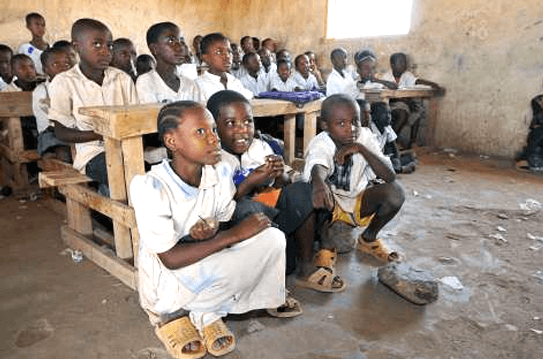
ICCD's Education & Child Sponsorship program responds to part of this gap — providing sponsorship from primary school through university for the most vulnerable children, paired with structured mentorship for character, faith, and academic excellence. These children come from refugee families originating from the Democratic Republic of Congo, Rwanda, Burundi, South Sudan, Eritrea, Ethiopia, and many other countries. By securing a full educational pathway rather than a single stage, the program breaks the cycle that pushes children of survivors — orphans, children of widows, and children from trafficking- or violence-affected households — toward the same vulnerabilities their parents faced: exploitation, early labour, and poverty.

Health & HIV/AIDS Response
03

Health & HIV/AIDS Response

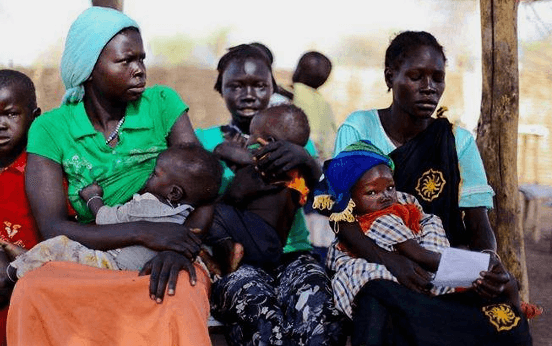
ICCD mobilises communities around Sexual and Reproductive Health and Rights (SRHR), HIV counselling and testing, family planning, and integrated outreaches conducted in partnership with public health facilities. Beyond awareness, ICCD provides direct aid to those affected — connecting HIV-positive individuals to treatment and ongoing care, supporting adherence to medication, offering nutritional support where possible, and walking alongside survivors of sexual violence and trafficking who are especially vulnerable to HIV exposure. This response is rooted not only in public health practice but in the conviction that caring for the sick and vulnerable is a direct expression of faith. "He heals the brokenhearted and binds up their wounds." — Psalm 147:3. "Religion that God our Father accepts as pure and faultless is this: to look after orphans and widows in their distress..." — James 1:27

Water, Sanitation & Hygiene (WASH)
04

Water, Sanitation & Hygiene (WASH)

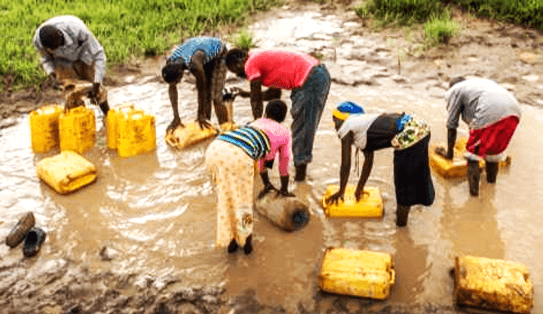
Water and Sanitation activities reduce the transmission of diseases and exposure to disease-bearing vectors through the promotion of good hygiene practices, the provision of safe drinking water, and the reduction of environmental health risks. Water systems, hand pumps, latrines, vector control, solid waste disposal, and drainage are all components of our emphasis in the implementation of the sanitation and hygiene intervention. "Whoever drinks the water I give them will never thirst. Indeed, the water I give them will become in them a spring of water welling up to eternal life." — John 4:14

Psycho-Social and Mental Health Support
05

Psycho-Social and Mental Health Support

ICCD will institute counseling and mental health services for refugee women, particularly for victims of torture, rape and other physical and sexual abuse. We will leverage our nearly two years of operational experience treating mental illness in Yumbe to assist the UNHCR and ensure that 18,000 adult refugees receive treatment for their mental illness. Working on the ground in the communities where the refugees live and work, ICCD will use its proven and highly cost-effective group talk therapy model, based on Group Interpersonal Psychotherapy, as the basis for treatment. "He heals the brokenhearted and binds up their wounds." — Psalm 147:3. "The Lord is close to the brokenhearted and saves those who are crushed in spirit." — Psalm 34:18. "Come to me, all you who are weary and burdened, and I will give you rest." — Matthew 11:28. "Carry each other's burdens, and in this way you will fulfill the law of Christ." — Galatians 6:2

Gender Equity & Protection
06

Gender Equity & Protection

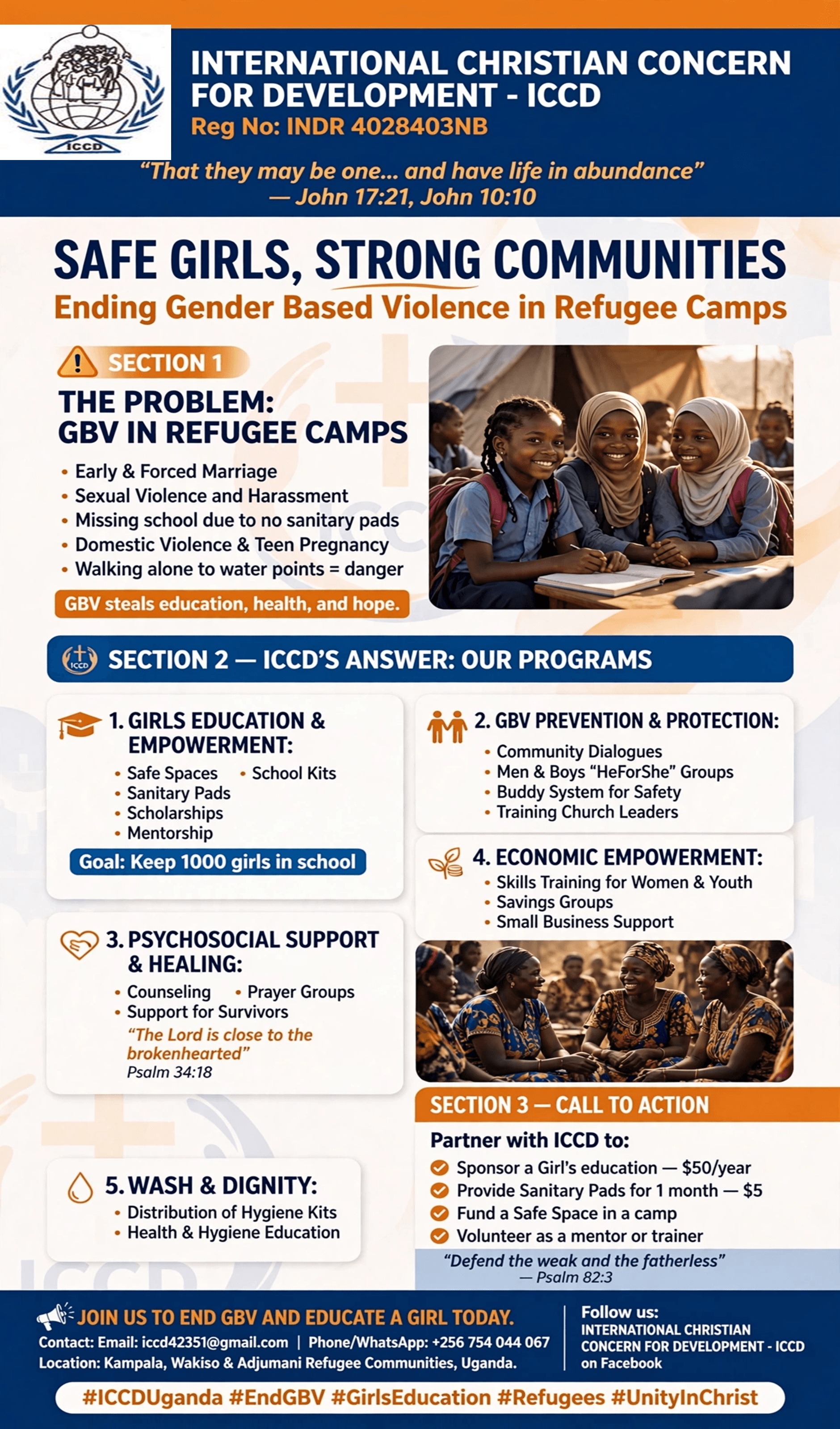
ICCD works to prevent and respond to gender-based violence in refugee camps — including domestic violence, early marriage, sexual violence and denial of resources to women and girls — through Safe Spaces, Men & Boys engagement, buddy systems, confidential reporting, psychosocial support, economic empowerment, and community-led campaigns "The Lord is close to the brokenhearted and saves those who are crushed in spirit." — Psalm 34:18

Child Protection
07

Child Protection

Designing every programme so the best interest of the child is the paramount consideration — preventing abuse, neglect and exploitation.

Refugee & Resettlement Response
08

Refugee & Resettlement Response

Targeted livelihood and protection support for women and youth aged 10–26 in refugee settlements, IDP camps and post-conflict regions.

Want to support a specific programme?

Designate your gift to a programme that matters most to you — or partner with us to scale one in a new district.

ICCD Specified Objectives

What guides every programme we run.

01

Building self-reliance, not dependency

Our programmes span safe water, sanitation and hygiene, secure and accessible shelter, sustainable livelihoods and dependable health care. Throughout, ICCD prioritises self-reliance — helping vulnerable families need less aid over time while still reaching essential services. We design integrated, inclusive interventions that bring displaced populations and their host communities together, rather than treating them as separate groups.

02

Lifesaving response, long-term support

When humanitarian crises strike, ICCD delivers urgent assistance — food and nutrition, school feeding, clean water and emergency supplies — to those who need it most. That response doesn't end when the emergency does: we stay engaged with refugees and displaced people in both camp and urban settings, working closely with UNHCR, the International Organization for Migration (IOM) and other responders to sustain support over the long term.

03

Partnership-driven, community-led

ICCD stands with refugees, displaced people and vulnerable communities affected by conflict and crisis around the world. Local and international staff work alongside national and local government, nonprofits, UN agencies and displaced communities themselves — identifying gaps in aid and shaping programmes around the specific, urgent needs on the ground, rather than a one-size-fits-all model.

04

Sponsorship as transformation

ICCD's sponsorship programme goes far beyond covering school fees — it's about transformation from the inside out. Every year, our team invests in the hearts and minds of every child through structured mentorship visits and workshops across our partner network, from Primary One all the way through university for our most vulnerable children and refugees. Through mentorship, children encounter the truth of the gospel, grow in character, and are equipped with the tools to navigate decisions and life's challenges as Christ-centred young people.